Pediatric Eye Exam San Luis Obispo: What Parents Should Know
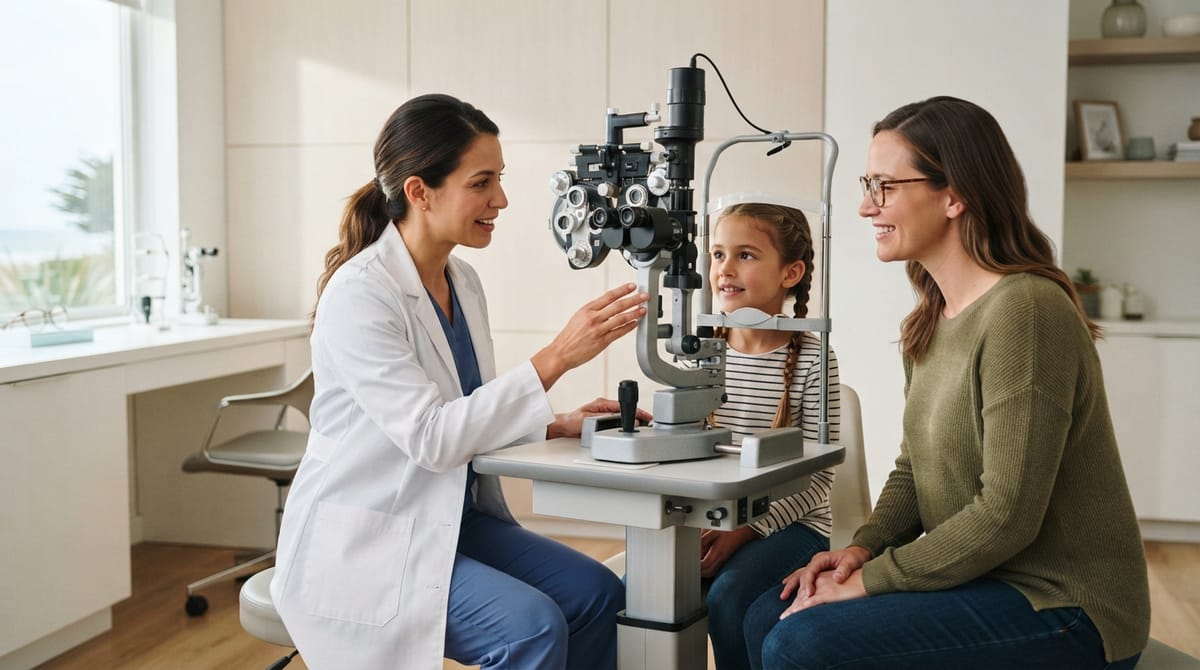
Thinking About a Pediatric Eye Exam in San Luis Obispo
Your child uses their eyes all day long. If you are thinking about a pediatric eye exam in San Luis Obispo, it helps to know what eye exams look at and why they matter. Eye care means good daily habits, regular checkups, and treatment when needed.
Some eye diseases can lead to vision loss without early warning signs. That is why it is important to catch them as soon as possible. The advice is to get eyes checked as often as your health care provider recommends, or if you notice new vision problems. This article is for general education only. It is not a substitute for professional medical advice, diagnosis, or treatment. No exam or treatment can promise a certain result, and only an exam can give you advice about your own child.
What Experts Say a Children's Eye Exam Should Include
A group of pediatric ophthalmologists from across India met under the All India Ophthalmological Society. They reached a consensus, which means an agreement among experts. It covers the correct way to do a pediatric eye exam, how to treat refractive error in children, and how to manage amblyopia.
The group wrote it because India did not have standard guidelines on these topics. Without them, care was being managed inadequately or inappropriately there. The goal was to give eye doctors a basic framework for managing common children's eye conditions in most clinic settings.
The statement describes what a children's eye exam can involve. These are the main parts it lists:
- The recommended history, meaning the questions an eye doctor should ask first
- The key parts of an eye exam, including a check of how well a child can see
- Special tests, such as imaging and electrophysiology, when they are needed
This statement comes from one country's experts. Your child's visit may look different, so ask your eye care provider what to expect.
Glasses and Amblyopia Treatment
The same statement has a section on refraction, which is about finding the right glasses. It stresses prescribing glasses correctly for children.
Its last section is about amblyopia. It lays out the different options for treating it. It also gives standard guidelines for occlusion therapy and for weaning it over time. If your child has been told they have amblyopia, ask your provider which approach fits their needs.
Glaucoma: Why Exams Matter Even Without Symptoms
Glaucoma is a group of diseases that can damage the optic nerve of one or both eyes. This can cause vision loss. The optic nerve is the bundle of nerves that connects the eye to the brain.
There are different types. Open-angle glaucoma is the most common. Angle-closure glaucoma and congenital glaucoma are less common. A baby may be born with glaucoma, which is why it is worth knowing about as a parent.
You may not have any symptoms at first. Or symptoms may start so slowly that you do not notice them. Regular eye exams can check for glaucoma and other eye problems to help protect vision. Treatments that lower eye pressure help slow the disease. Without treatment, glaucoma can eventually lead to blindness.
A comprehensive eye exam can tell if you have glaucoma. MedlinePlus says it can include these parts:
- A dilated eye exam, where drops widen the pupils so the provider can see the back of the eye through a special magnifying lens
- Visual field testing, which checks side vision
- Tonometry, which measures the pressure inside the eye
After a dilated exam, vision may be blurry and sensitive to light for a few hours. Plan for someone to take you home. Not everyone with high eye pressure develops glaucoma. Some people get glaucoma with normal pressure. Regular dilated exams help a provider learn what pressure is normal for each person. If someone is at higher risk, comprehensive exams are advised every one to two years.
A Closer Look at Swollen Optic Discs in Children
One medical review looks at blurred edges of the optic disc. It says that judging this problem and reaching a diagnosis can be demanding, particularly in a child.
The review covers the many possible causes of blurred disc edges. It also covers the signs of a swollen optic disc, and the imaging tools used to look at the optic nerve head. It also names red flags that may point to a serious disorder. This shows why a careful exam by a trained provider matters when something looks unusual.
Everyday Habits, Family History, and Diabetes
Daily habits can help protect eyes. MedlinePlus suggests these steps:
- Give eyes a rest from screens. Try the 20-20-20 rule: every 20 minutes, look about 20 feet away for 20 seconds.
- Wear sunglasses that block 99 to 100% of both UV-A and UV-B rays.
- Wear protective eyewear for certain sports and for home projects.
- Avoid rubbing your eyes, which can move dirt and bacteria to them.
- Use good lighting to reduce strain.
Food and lifestyle matter too. A balanced diet with plenty of fruits and vegetables can help, especially dark leafy greens like spinach and kale. Fish high in omega-3 fatty acids, such as salmon, tuna, and halibut, can also help. Regular exercise may help prevent or control diabetes, high blood pressure, and high cholesterol. These diseases can lead to some eye or vision problems.
Know your family medical history. Some eye diseases are passed down through families. Share what you learn with your eye care provider.
Diabetes is a disease in which blood sugar levels are too high. Over time, this may damage the blood vessels and lenses in the eyes. In the early stages, diabetic eye problems usually have no symptoms. That is why regular dilated eye exams are so important, even if the eyes seem healthy.
When to Seek Care
Some signs mean you should act right away. Sudden intense eye pain, blurry vision, red eyes, or an upset stomach could signal angle-closure glaucoma. If this happens, go to your eye care provider or an emergency room right away. Sudden changes in vision can also be signs of an emergency.
For anything less urgent, do not wait if something seems off. Get your eyes checked if you notice new vision problems. If you are weighing a pediatric eye exam in San Luis Obispo, new or worsening symptoms are a good reason to book. So is any worry about your child's eyes. Bring your questions with you.
Frequently Asked Questions
Why get an eye exam if my child seems to see fine?
Some eye diseases can lead to vision loss without early warning signs. Glaucoma, for example, may have no symptoms at first. Regular exams can check for these problems before they cause harm.
What happens during a dilated eye exam?
The provider puts drops in the eyes to widen the pupils. This lets more light in. Then they use a special magnifying lens to see the tissues at the back of the eye. Vision may be blurry and sensitive to light for a few hours afterward.
What did the expert group say about children's eye exams?
The group said a children's eye exam should include a recommended history and the key parts of an eye exam, including a check of vision. Special tests such as imaging may also play a role. Their statement also covers glasses and amblyopia treatment.
How often should eyes be checked?
Get your eyes checked as often as your health care provider recommends. If someone is at higher risk for glaucoma, comprehensive exams are advised every one to two years. Your provider can tell you what is right for your child.
Related Reading
- Eye Care San Luis Obispo: Simple Ways to Protect Vision
- Sunglasses San Luis Obispo: Guide to UV Protection
Sources
- Glaucoma — MedlinePlus.
- Eye Care — MedlinePlus.
- Diabetic Eye Problems — MedlinePlus.
- National consensus statement regarding pediatric eye examination, refraction, and amblyopia management — PubMed.
- Don't Miss This! Red Flags in the Pediatric Eye Exam: Blurred Disc Margins — PubMed.
This content is for general education only and is not a substitute for professional medical advice, diagnosis, or treatment.